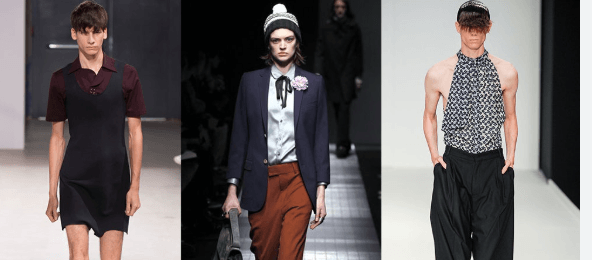
Fashion and gender expression reveal how wardrobes negotiate power, visibility, and belonging. Across eras, silhouettes and fabrics shift with social codes, making clothing a signal system that can reinforce or resist norms. The dialogue between identity and design invites careful, inclusive analysis rather than rigid rules. A thoughtful approach to style can unlock autonomy while honoring history, but the path forward requires choosing pieces that tell each wearer’s story—and the next chapter awaits, ready to unfold.
How Gender Expression Shapes Fashion History
Fashion history unfolds where gender expression acts as both catalyst and consequence, shaping silhouettes, fabrics, and codes across eras. In this analysis, observers note how gender presentation intersects with social power, driving stylistic experiments and inclusive reform. Historical shifts reveal designers responding to debate and autonomy, while wardrobes become instruments of resistance and self-definition, empowering marginalized voices through deliberate, collective experimentation.
Decoding Style Signals: Clothing as Identity
Clothing functions as a codified signal system through which individuals project identity, regulate social perception, and negotiate belonging. This decoding reveals style signaling as a dynamic dialogue between choice and perception, where wardrobe versatility enables fluid self-presentation. Gendered silhouettes encode cultural expectations, yet accessor
Storytelling becomes a counter-narrative, transforming garments into meaning-making tools that challenge norms and celebrate expressive autonomy.
Practical Wardrobe Curation for Fluid Expression
Practical Wardrobe Curation for Fluid Expression translates the concept of self-presentation into concrete, adaptable formats: a curated toolkit of versatile garments, intentional layering, and mindful accessorizing that supports shifting identities across contexts. It analyzes comfort fabrics and practical accessorizing rules, highlighting modular pieces, neutral palettes, and convertible silhouettes. This framework empowers individuals to express authenticity with clarity, function, and inclusive, flexible style.
Designing an Inclusive Fashion Narrative for Your Closet
Designing an Inclusive Fashion Narrative for Your Closet translates personal expression into a coherent framework that guides everyday choices. The approach analyzes how identity informs selection, pairing, and layering, ensuring flexibility and dignity. It emphasizes gender fluid silhouettes and sustainable textiles, inviting experimentation without rigid standards. By framing decisions as values, it supports autonomy, accountability, and a wardrobe that evolves with individual freedom.
See also: The Rise of Central Bank Digital Currencies
Frequently Asked Questions
How Does Age Influence Gender-Expression Fashion Choices Today?
Age influences gender-expression fashion through evolving preferences and access, with age related trends shaping confidence and experimentation; generational wardrobe milestones mark transitions in style choices. The analysis remains empowering, inclusive, and analytical, supporting freedom across diverse identities and expressions.
Can Fashion Express Non-Binary Identities Beyond Labels?
Across a growing 40% adoption rate, fashion can express non-binary identities beyond labels. The analysis shows fashion presentation becomes identity signaling, empowering individuals to redefine norms with inclusive, fluid aesthetics that celebrate autonomy, diversity, and personal meaning.
What Skincare or Self-Care Routines Support Bold Style Shifts?
Skincare or self-care routines support bold style shifts by fueling confidence; skincare rituals reinforce resilience, enabling garment layering, while bold self care routines sustain energy for makeup experimentation and inclusive, empowering self-expression across diverse identities.
How Do Body Positivity Goals Affect Wardrobe Decisions?
Body positivity guides wardrobe experimentation, allowing choices rooted in body autonomy rather than external norms; individuals weigh comfort, expression, and confidence, embracing flexibility. It reframes decisions as personal power, fostering inclusive, fearless style shifts and authentic self-representation.
Are There Cultural Appropriation Concerns in Gender-Fluid Fashion?
Cultural borrowing can appear in gender-fluid fashion, yet the concern hinges on consent, context, and respect for origin communities; etiquette norms encourage informed dialogue, credit, and boundaries, empowering individuals to explore expression while honoring heritage and autonomy.
Conclusion
In the wardrobe’s quiet library, garments stand as patient librarians, shelving fears and labeling possibilities. Each stitch is a doorway, each hem a hinge toward self-authorship. The tapestry of fashion, woven from history’s threads and present’s whispers, invites all readers to title their identities with courage and care. When cords loosen and silhouettes mingle, the story becomes a shared atlas—accessible, expansive, and inviting. In this allegory, power blooms through choice, not conformity, and every closet writes its own weather.